

A forwarder can promise their own invoice is fixed — but who actually collects tax at your door, and when?
What “no surprise charges” actually covers (and what it can’t)
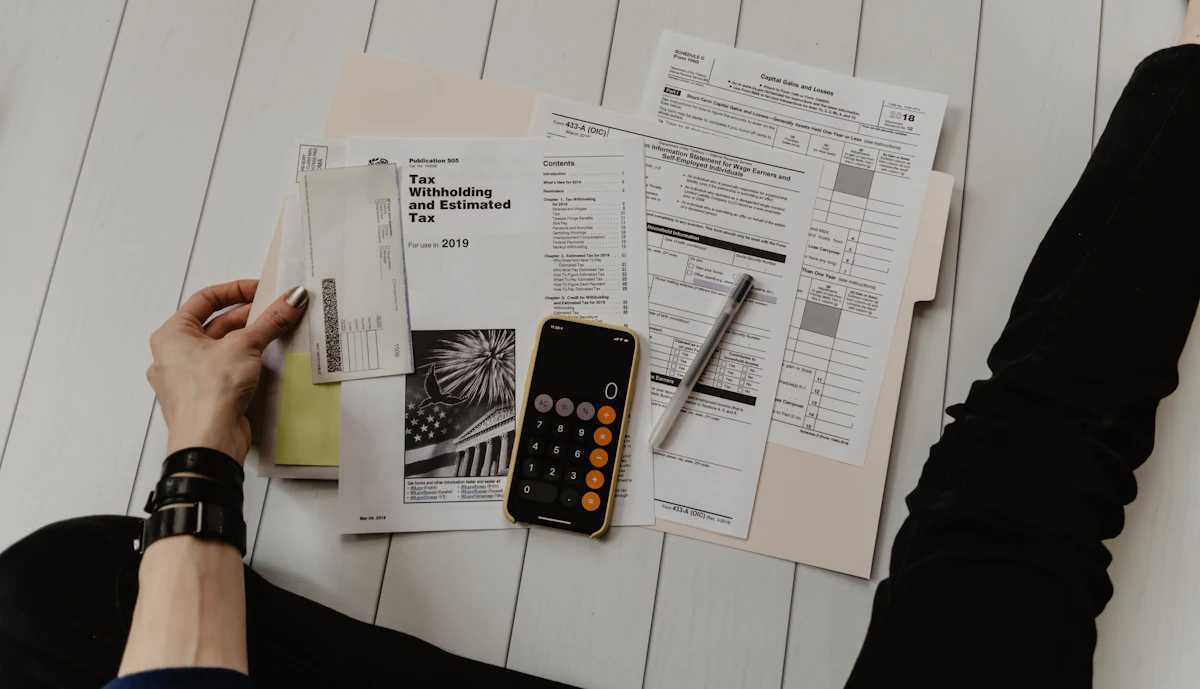
Short answer: it’s usually true — but only for the half of the bill the forwarder controls. When a parcel forwarding company promises no surprise charges, they’re talking about their own invoice. The consolidation fee, the repacking, the storage days, the weight you were quoted: those numbers are fixed and shown up front. What no forwarder anywhere can promise is that a foreign government will wave your parcel through for free. Import tax, duty and clearance handling are set by the destination country, not by the company moving your box.
Think of it as two separate bills. Bill one is transport: getting your items from a warehouse in China to your door in Sydney, Singapore or Sheffield. Bill two is the entry fee: whatever the destination’s customs authority decides your goods owe. Most “no surprise charges” claims are honest, and they refer to bill one. Confusion creeps in because both bills can land on the same day.
There’s a third, smaller charge people forget: the carrier’s own admin fee for clearing your parcel. If customs flags your box for assessment, somebody has to lodge the paperwork, advance the tax and collect it back from you. Postal operators and couriers charge for that work. It isn’t a scam, and it isn’t the forwarder’s fee — it’s the cost of being the middleman.
So the promise isn’t false. It’s just narrower than the phrase suggests. Once you know which bill is which, nothing at the door surprises you, because you’ll have seen the shape of it long before you shipped.
Pay before handover, or straight to the mailbox? It depends who delivers

Whether your parcel lands in the mailbox or gets held for payment depends almost entirely on two things: which network handles the last mile, and what value you declared.
Postal networks — the ones that hand off to Australia Post, SingPost, NZ Post, Royal Mail, Pos Malaysia or Chunghwa Post — usually deliver to your letterbox when nothing is owed. Many destinations give postal consignments a low-value ceiling, and below that line the parcel simply arrives. Above it, or when customs wants a closer look, the item gets held and you receive a card, an SMS or an email asking you to settle up before collection. You pay online or at the counter, then it’s released. Nothing turns up at your door with a demand attached.
Couriers work differently. International express companies often pay the duty and tax on your behalf to keep the parcel moving, then invoice you before or shortly after delivery. That invoice bundles the government charge with their own disbursement fee. Refuse to pay and the parcel sits in a holding facility before eventually heading back to sender.
The practical upshot: high-value consignments into high-tax destinations tend to be “pay first, receive second.” A small parcel of clothes under the local threshold, or anything addressed to Hong Kong — a free port with no import duty or VAT — really can just appear in your mailbox.
How to see the landed cost before you ship
You can’t fully predict a customs officer’s decision, but you can get close — and the answer almost never needs guesswork.
Start with the value you declare. That’s the number customs works from, and the number your forwarder puts on the commercial invoice. Understating it to dodge tax is the single most common cause of “surprise” holds, and the fastest way to turn a routine delivery into a paperwork problem. Declare what you actually paid.
Then estimate the entry side. Three inputs matter: the type of goods, the declared value, and the destination. Clothing, electronics and cosmetics get different treatment from books or personal effects. Most destinations publish a low-value threshold, and most apply a broad consumption tax — GST, VAT or sales tax — once you cross it. Malaysia, Taiwan and the UK all work to a ceiling of some kind; Singapore has narrowed its low-value relief; Hong Kong charges nothing at all.
Finally, add the carrier’s handling fee to your mental total. It’s normally a small flat amount per parcel, published on the carrier’s own website, and it only applies when customs intervenes. Budget for it and it stops being a surprise.
Nail down the transport half first with our shipping calculator, so the only unknown left is the tax.
Fee Transparency — No Hidden Costs
- Shipping rate (by chargeable weight)
- Handling / warehouse intake / fumigation fees (if applicable)
- Pickup fee (if you choose home pickup)
- Extra service fees, commission, fuel surcharges
- Destination customs duty / VAT / GST (only on DDP self-operated lines marked "included")
- Import duty + GST/VAT on non-DDP routes — destination customs collects from recipient
- Insurance (optional, ~5% of declared value; shown at bottom of each card)
- Customs inspection / return / storage detention fees in exceptional cases
How Ebaoguo keeps your final invoice boring

Most “surprise charge” stories aren’t about one big fee. They’re about five small ones you never saw coming — and consolidation is the structural fix. Instead of paying to ship each Taobao or 1688 order the moment it hits the warehouse, everything arrives at one address, gets photographed, gets repacked into one carton, and leaves as a single shipment. One weight, one quote, one tracking number. The chargeable weight usually drops too, because all the seller’s packing waste stays behind.
Ebaoguo also shows you the declaration side before dispatch: what’s been declared, what your destination is likely to ask for, and whether your item is one customs tends to inspect. If you’re buying from Chinese platforms without a local payment method, proxy purchasing handles the checkout so nothing stalls at the seller’s end.
And if you’re at work when the courier calls — a very ordinary reason parcels get returned and re-charged — collection services keep your box moving instead of bouncing between depots.
FAQ: customs fees, doorstep payments and home delivery
If the forwarder promises no surprise charges, why is my post office asking for money?
Because those are two different invoices. The forwarder charges for transport, consolidation and handling. The post office or courier collects government import tax and duty, plus their own clearance admin fee. That second bill exists whether or not your forwarder advertised fixed pricing.Will my parcel be delivered to my mailbox or held back?
Both happen. Postal deliveries under the destination’s low-value ceiling generally go straight into your letterbox. Anything customs wants to assess is held, and you’re notified to pay before collection. Couriers largely invoice you first and deliver afterwards.Who is legally responsible for the import tax, me or the sender?
In most countries the recipient is the importer of record and carries the liability. Your forwarder can help you estimate and prepay in some cases, but they can’t make the obligation disappear. Check the destination’s rules before you buy, not after the parcel lands.Can I avoid charges by marking the parcel as a gift?
Rarely, and it’s a bad bet. Several countries have scrapped gift relief altogether, and a mismatch between the declared value and the conUpdated 2026-10 · Source: Ebaoguo Operations